
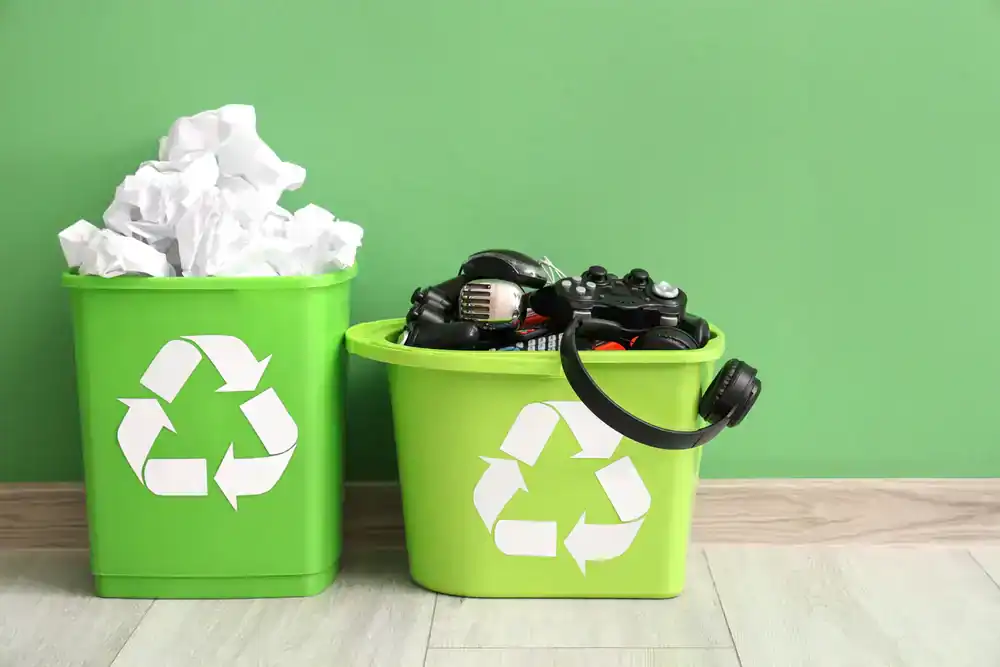
You’re not just clearing space. You’re turning cardboard into new boxes, metals into fresh products, and waste into revenue streams.
When you work with a recycling service that knows what they’re doing, your materials actually reach processing facilities instead of landfills. Your business saves money on disposal costs while meeting environmental goals that matter to your customers.
Nassau County generates massive amounts of recyclable materials daily. The difference between companies isn’t just pickup schedules—it’s whether your recyclables end up where they belong.
We’ve been handling recycling in New Cassel since 2000. We’re the family-owned company that Long Island businesses call when they need container service that shows up on time.
Our team understands Nassau County’s recycling requirements because we’ve been working here for over two decades. We know which materials local facilities accept, what preparation saves you money, and how to schedule pickups that work with your timeline.
New Cassel businesses trust us because we do what we say we’ll do. No surprises, no excuses, just reliable recycling services that keep your operation running smooth.
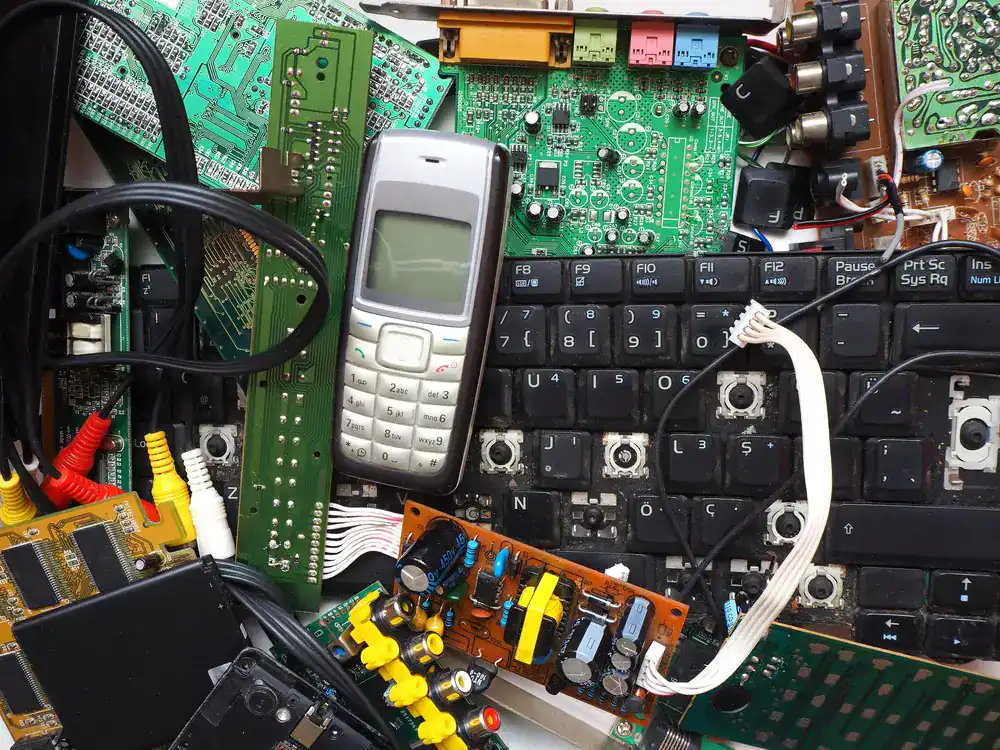
First, we assess what you’re generating. Cardboard, metals, mixed materials—each type has specific handling requirements that affect your costs and our processing methods.
Next, we set up a container system that matches your volume and space constraints. No oversized dumpsters taking up parking spots or undersized containers that overflow before pickup day.
Then we handle the pickup and processing. Your materials go directly to facilities that turn them into new products instead of sitting in landfills. You get documentation showing exactly where everything went and how much waste you diverted.

Ready to get started?
Professional recycling means your cardboard gets sorted properly before it hits processing facilities. Contaminated loads get rejected, costing you disposal fees on top of pickup charges.
New Cassel businesses generate significant cardboard volumes from shipping and receiving operations. When handled correctly, this material becomes revenue instead of expense. Local processing facilities pay competitive rates for clean, properly prepared cardboard.
Our container service includes education on preparation standards that maximize your returns. Simple steps like removing tape and flattening boxes can mean the difference between profitable recycling and costly disposal. We show you exactly what works and what doesn’t.
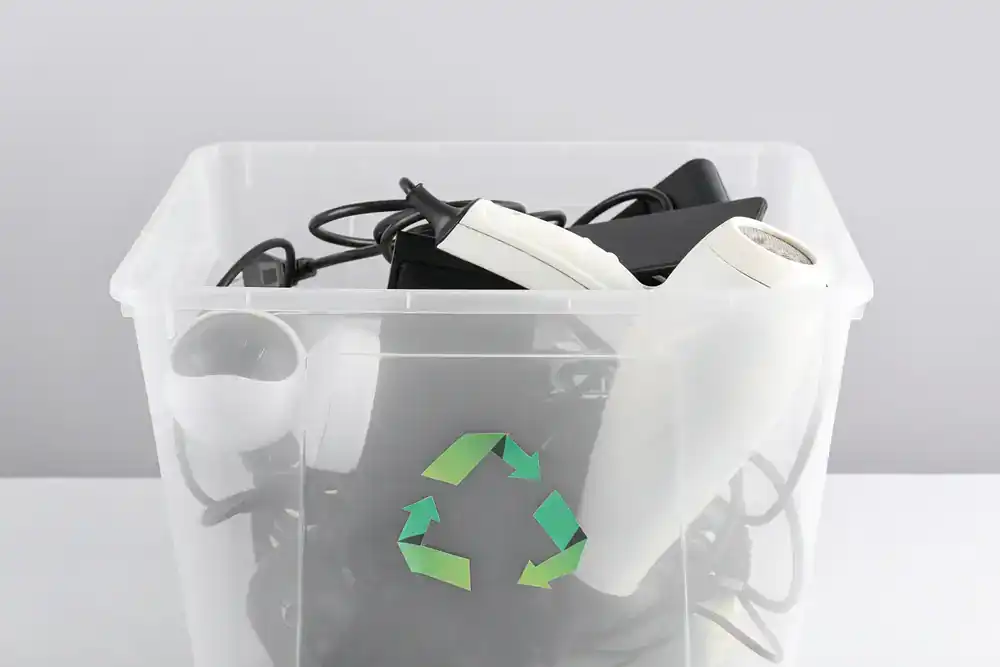
We handle cardboard, mixed paper, metals, and various commercial recyclables common in Nassau County businesses. Each material type has specific preparation requirements that affect processing acceptance and pricing.
Cardboard must be clean and flattened. Mixed office paper needs to be free of contaminants like food waste or excessive adhesive. Metals should be separated by type when possible. We provide detailed guidelines for each material category so your loads meet facility standards and qualify for the best pricing.
The key is understanding what local processing facilities actually want. Many recycling services accept everything but don’t prepare materials properly, resulting in rejected loads and disposal fees you didn’t expect.
Pickup frequency depends on your volume and container size. Most New Cassel businesses need weekly or bi-weekly service, but we can arrange daily pickups for high-volume operations or monthly service for smaller generators.
We schedule around your operational needs, not arbitrary routes. If you need early morning pickup to avoid disrupting customer traffic, we make it happen. If your receiving schedule creates predictable volume spikes, we adjust accordingly.
Consistent scheduling matters because irregular pickups lead to overflow situations that create health code violations and customer complaints. We track your patterns and recommend adjustments before problems develop.
Recycling service focuses on materials that have value and can be reprocessed into new products. Regular waste pickup handles everything else that goes to landfills or waste-to-energy facilities.
The preparation and handling requirements are completely different. Recyclables need sorting, cleaning, and specific container types. Waste can be mixed together in standard dumpsters. Pricing structures differ because recyclables often generate revenue while waste always costs money.
Many businesses try to handle both with the same service, which usually means recyclables get contaminated and end up in landfills anyway. Separate systems ensure each waste stream reaches the right destination and provides maximum value.
We provide containers sized and configured for your specific materials and space constraints. Different recyclables require different container types for optimal processing and transportation efficiency.
Cardboard containers need to allow for volume fluctuation and easy loading. Metal collection requires containers that handle weight distribution safely. Mixed recyclables need compartmentalized systems that prevent cross-contamination during transport.
Using the wrong containers leads to processing problems, safety issues, and additional fees. We match container specifications to your materials, volume, and site conditions so everything works as intended from day one.
We work directly with processing facilities that manufacture new products from recycled materials. You receive documentation showing where your materials went and what they became.
Our preparation standards ensure loads meet facility acceptance criteria. Contaminated or improperly sorted materials get rejected by processors, forcing disposal in landfills despite good intentions. We prevent this through proper handling from collection through delivery.
Transparency matters because many recycling services can’t actually document where materials end up. We provide tracking information and facility certifications so you know your environmental goals are being met, not just promised.
Recycling costs vary based on material types, preparation quality, and current market conditions. Clean, properly sorted materials often generate revenue that offsets collection costs. Contaminated materials cost more than regular waste disposal.
The key is understanding what affects pricing. Cardboard prices fluctuate with demand from packaging manufacturers. Metal values change with commodity markets. Mixed recyclables require more processing, affecting profitability.
We provide transparent pricing that shows exactly what you’re paying for collection, processing, and disposal. Many services hide recycling costs in waste disposal fees, making it impossible to track actual program performance and cost-effectiveness.
Other Services we provide in New Cassel