
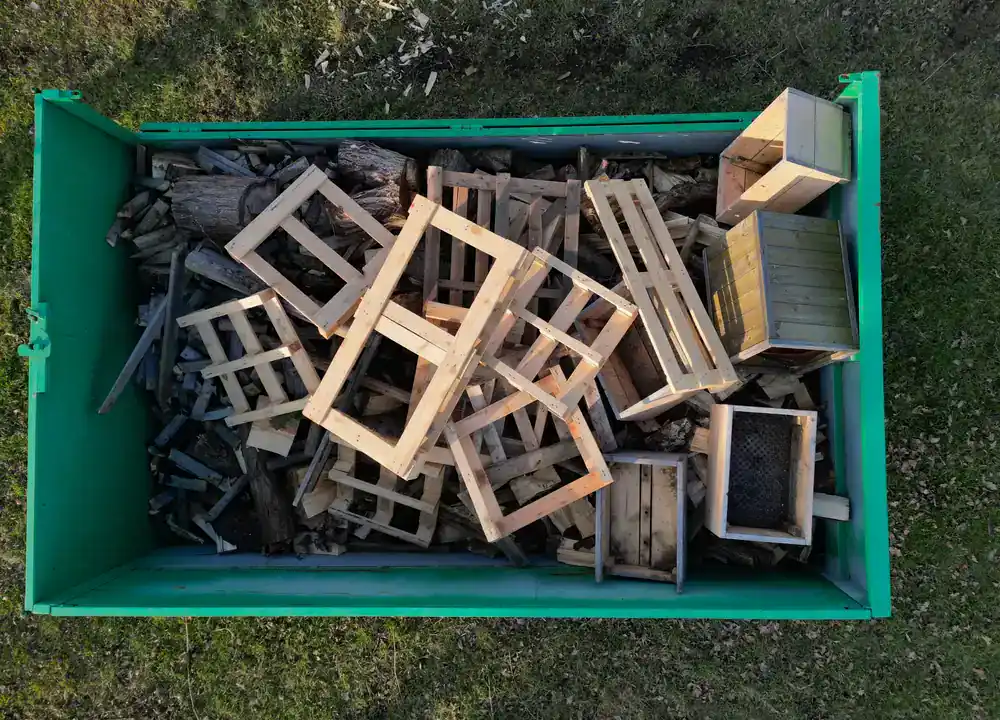
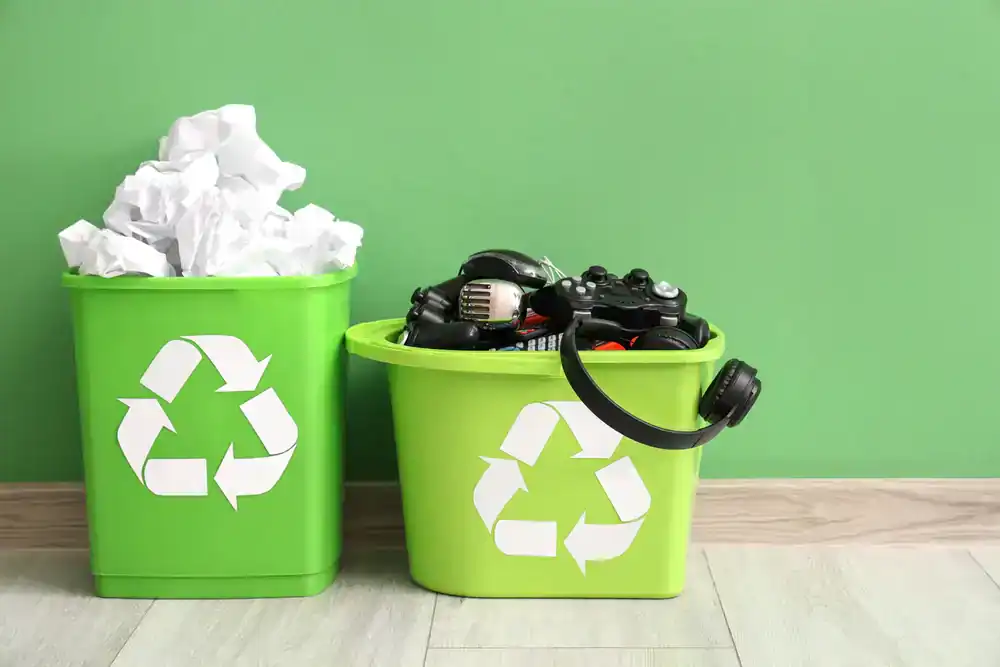
You know that pile of cardboard boxes from your latest deliveries? The mixed materials from your renovation project? The commercial waste that’s been sitting there because you’re not sure what goes where?
Here’s what happens when you work with professionals who actually understand Long Island recycling. Your materials get picked up on time, sorted properly, and sent to the right facilities. No contamination issues. No rejected loads. No wasted trips.
You get back to your day knowing your recycling is handled correctly and actually making it to the processing centers where it belongs.
We’ve been handling recycling and waste management for Halesite residents and businesses since 2000. As a family-owned company, we understand what Long Island communities need.
We’ve watched recycling rules change, markets crash and recover, and contamination issues plague the industry. Through it all, we’ve maintained the relationships with processing facilities that keep your recyclables out of landfills.
When you need recycling services in Halesite, you’re working with people who know the local landscape and have the experience to handle whatever you need removed.
You call and schedule your pickup for the exact date and time that works for you. No waiting around for vague time windows.
Our team arrives with the right container size for your project – whether that’s a small 6-yard container for home use or a 30-yard container for commercial cleanouts. We place it exactly where you specify.
When you’re ready, we return to collect everything and transport it to the appropriate recycling facilities. Your materials get properly sorted and processed instead of contaminating other recyclables or ending up in already-overcrowded landfills.
Ready to get started?
Cardboard recycling is straightforward when it’s clean and properly separated. Metal containers, aluminum foil, and approved plastics all have established processing streams when handled correctly.
The challenge in Halesite and across Long Island is contamination. Up to half of collected recyclables get rejected because they’re mixed with non-recyclable materials or contaminated with food waste.
Professional recycling services know which materials go where and how to prepare them for processing facilities. This means your recyclables actually get recycled instead of adding to the waste stream that’s already overwhelming Long Island’s limited landfill capacity.
Clean cardboard, metal cans and foil, and approved plastics (types 1, 2, and 5) are the main materials accepted at Long Island processing facilities. Cardboard needs to be free of food contamination and wax coatings.
Metal items should be rinsed clean, and aluminum foil should be balled up. Plastic containers need to be empty and rinsed – this includes water bottles, milk jugs, shampoo bottles, and yogurt containers.
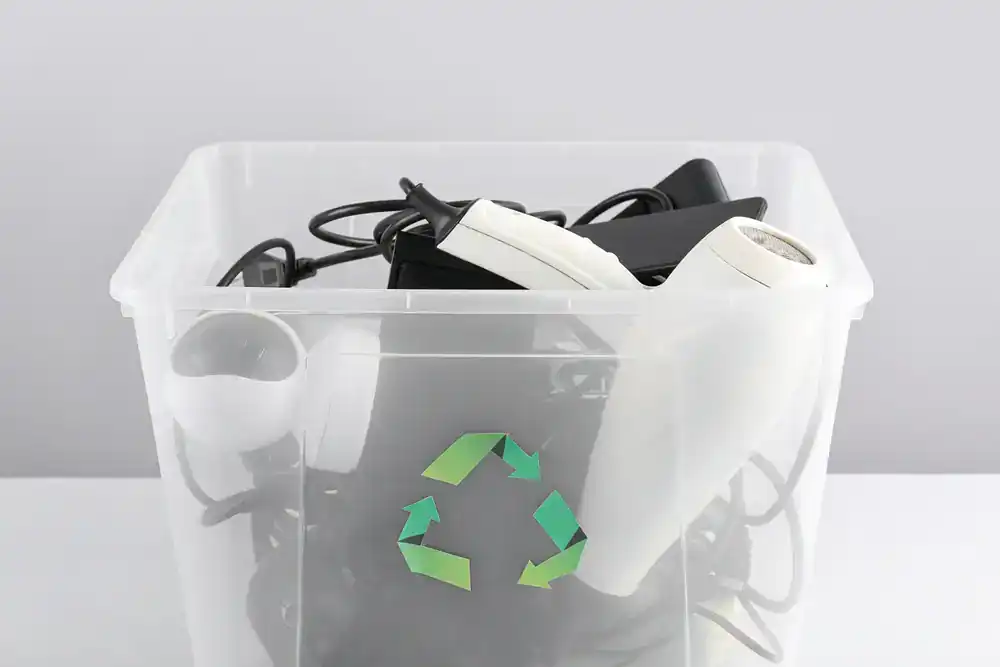
Materials that can’t be processed include plastic bags, electronics, batteries, and contaminated items. These require special handling or alternative disposal methods to avoid damaging processing equipment.
We work directly with established recycling facilities and processing centers throughout Nassau and Suffolk Counties. These relationships have been built over 20+ years of consistent service.
Before pickup, we provide guidance on proper preparation to prevent contamination that causes materials to be rejected. Our team knows which facilities accept specific material types and current market conditions.
The key is proper sorting and preparation. When materials arrive clean and properly separated, processing facilities can actually use them. Contaminated or mixed loads often get rejected and sent to landfills, which defeats the purpose entirely.
Container sizes range from 6-yard containers for smaller residential projects up to 30-yard containers for major commercial cleanouts. The right size depends on your project scope and available space.
A 6-yard container works for home renovations or regular business recycling. 15-yard containers handle larger residential cleanouts or ongoing commercial needs. 30-yard containers are designed for construction projects or major facility cleanouts.
We’ll help you determine the appropriate size based on your specific materials and timeline. Having the right container prevents overflow issues and ensures efficient pickup scheduling.
Yes, we serve both residential customers and businesses throughout Halesite. Residential service typically involves home cleanouts, renovation debris, and regular recycling needs.
Commercial clients include retail stores, restaurants, offices, warehouses, and industrial facilities. Each type of business has different recycling streams and volume requirements.
The approach is the same regardless of size – proper container placement, scheduled pickup, and delivery to appropriate processing facilities. Commercial clients often need regular service schedules, while residential customers typically use project-based pickup.
Scheduling depends on container availability and your timeline, but we typically accommodate requests within a few days. For specific dates or larger containers, more advance notice helps ensure availability.
Emergency or rush jobs can often be handled same-day or next-day, depending on current demand. Regular commercial customers get priority scheduling for their established pickup dates.
The key is calling early in your project planning. This gives us time to coordinate the right container size and pickup schedule without disrupting your timeline or leaving materials sitting longer than necessary.
Contaminated loads get rejected by processing facilities and typically end up in landfills. This is expensive for everyone and defeats the environmental purpose of recycling.
We provide clear guidelines upfront about what can and can’t be included. If contamination occurs, we’ll work with you to separate materials properly for a second pickup attempt when possible.
Prevention is always better than cleanup. That’s why we take time to explain proper preparation and provide guidance throughout your project. Clean, properly sorted materials get processed successfully, while contaminated loads become expensive waste disposal problems.
Other Services we provide in Halesite