
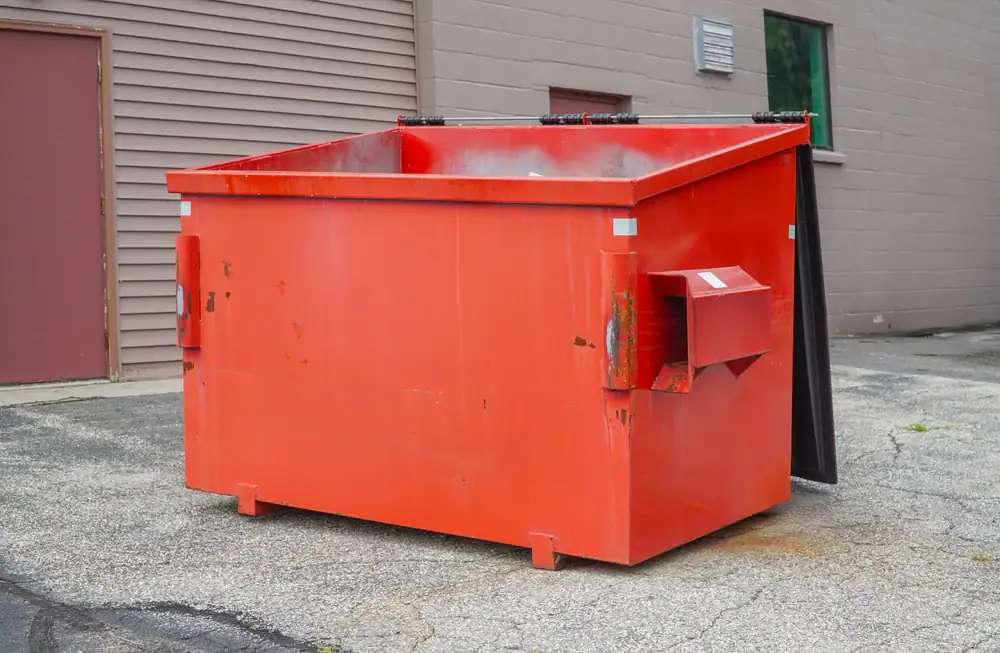

When your renovation timeline matters, you need container services that show up when promised. Our dumpster rentals eliminate the guesswork from waste management, giving you one less thing to coordinate.
Your property stays clean and organized throughout the project. No debris piling up in your driveway or blocking access to your home.
You focus on the work that matters while we handle the disposal logistics. From delivery to final pickup, your waste management runs seamlessly in the background.
Millennium Container has been handling waste management for Long Island properties since 2000. We understand the unique challenges of island living and seasonal property maintenance.
As a family-owned business, we’ve built our reputation on showing up when promised and pricing projects fairly. Our trucks navigate Shelter Island’s roads regularly, making us familiar faces in the community.
We’re fully licensed and insured, which matters when you’re dealing with valuable properties and tight spaces.
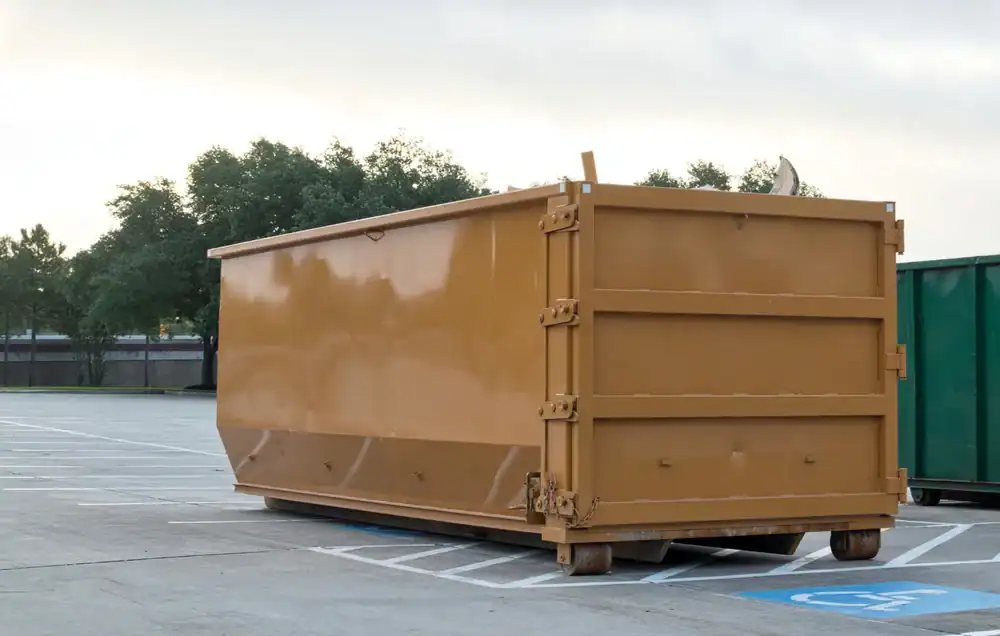
You call with your project details and timeline. We recommend the right container size based on your specific needs—no overselling, no undersized containers that leave you scrambling.
The dumpster arrives on your scheduled delivery date, positioned exactly where you need it. Our drivers know how to work around landscaping, narrow driveways, and the access challenges common on the island.
You fill it at your own pace. When you’re ready for pickup, one call brings the truck back to haul everything away to proper disposal facilities.
Ready to get started?
Shelter Island properties generate different types of waste depending on the season and project type. Spring cleanouts from winter storage areas require different containers than full kitchen renovations or landscaping debris.
Millennium Container Service handles both residential and commercial container services. Whether you’re managing a single-family renovation or coordinating waste for a local business, we have the equipment and scheduling flexibility to match your needs.
Our container sizes range from small residential projects to large construction jobs. This means you pay for the capacity you actually need, not the standard size that might be too big or too small for your specific situation.
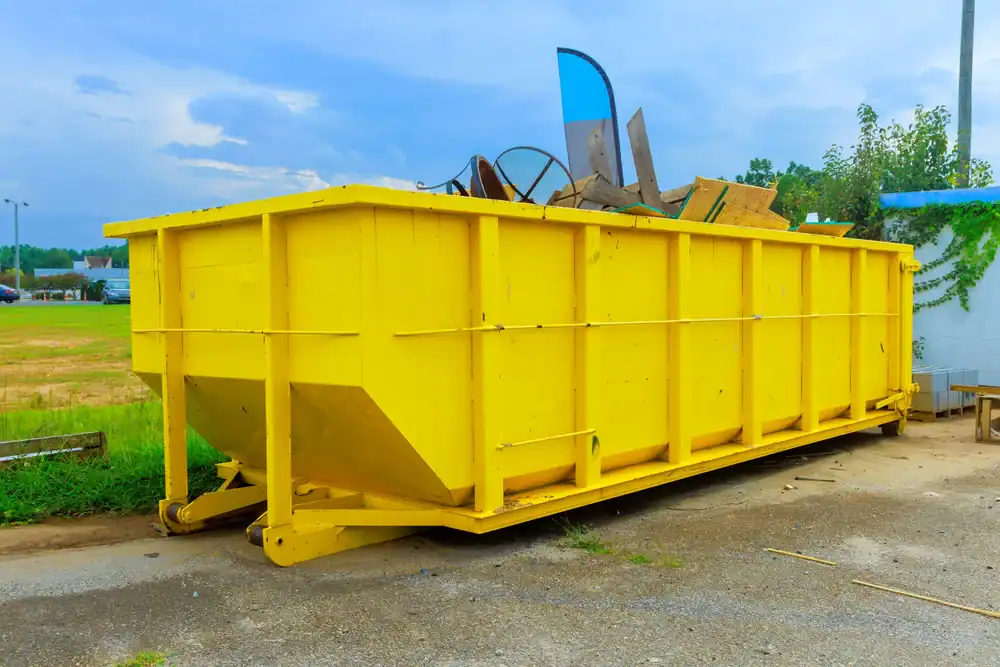
The right size depends on your specific project scope and debris type. A bathroom renovation typically needs a 10-yard container, while a full kitchen remodel or large cleanout usually requires a 20-yard dumpster.
For construction projects involving structural changes, a 30-yard container handles the increased volume of drywall, flooring, and fixtures. The key is matching container capacity to your timeline—if you’re working over several weeks, a smaller container with more frequent pickups often works better than trying to fit everything into one large unit.
We review your project details during scheduling to recommend the most cost-effective size. We’d rather get it right the first time than have you pay for a second container.
Our drivers are familiar with Shelter Island’s road layout and access challenges. We coordinate delivery timing around ferry schedules to ensure reliable arrival windows without weather delays.
Container placement considers your property’s specific needs—protecting landscaping, maintaining driveway access, and positioning for easy loading. We can work around narrow driveways, overhead wires, and the tight spaces common in established neighborhoods.
If your property has unique access requirements or restrictions, discuss these during scheduling. Our local experience helps us navigate most situations, but advance notice prevents delays on delivery day.
Most household debris, construction materials, and yard waste are acceptable. This includes furniture, appliances, drywall, flooring, roofing materials, and general cleanout items from renovations or seasonal maintenance.
Hazardous materials like paint, chemicals, batteries, and electronics require separate disposal methods. These items can’t go in standard dumpsters due to environmental regulations and disposal facility requirements.
When in doubt, ask during scheduling. We explain exactly what’s acceptable for your specific rental, preventing delays or additional fees at pickup time.
Rental periods are flexible based on your project timeline. Most residential projects work well with 7-14 day rentals, while larger renovations might need several weeks.
If your timeline changes, extending the rental is usually straightforward with advance notice. We understand that construction projects don’t always follow original schedules, especially when dealing with older homes or weather delays.
The goal is matching the rental period to your actual needs, not forcing your project into a rigid timeframe. Discuss your expected timeline upfront, and we’ll structure the rental accordingly.
Pricing depends on container size, rental duration, and debris type. We provide upfront quotes that include delivery, pickup, and disposal fees—no surprise charges when the truck arrives.
Heavy materials like concrete or soil cost more to dispose of than general household debris. We explain these differences during scheduling so you understand exactly what you’re paying for.
Our pricing is designed to be competitive with mainland services while accounting for the additional logistics of island delivery. You get a written estimate that breaks down all costs before committing to the rental.
Yes, we provide ongoing commercial container services for Shelter Island businesses including restaurants, retail locations, and service companies. Commercial needs often require different scheduling and container configurations than residential projects.
We can set up regular pickup schedules for consistent waste generation or provide project-based rentals for seasonal businesses or special events. Our commercial service includes both front-load containers for regular use and roll-off dumpsters for larger cleanouts.
Business owners appreciate our reliability and flexible scheduling, especially during busy seasons when waste volumes fluctuate. We work around your operating hours and customer traffic patterns to minimize disruption.
Other Services we provide in Shelter Island