
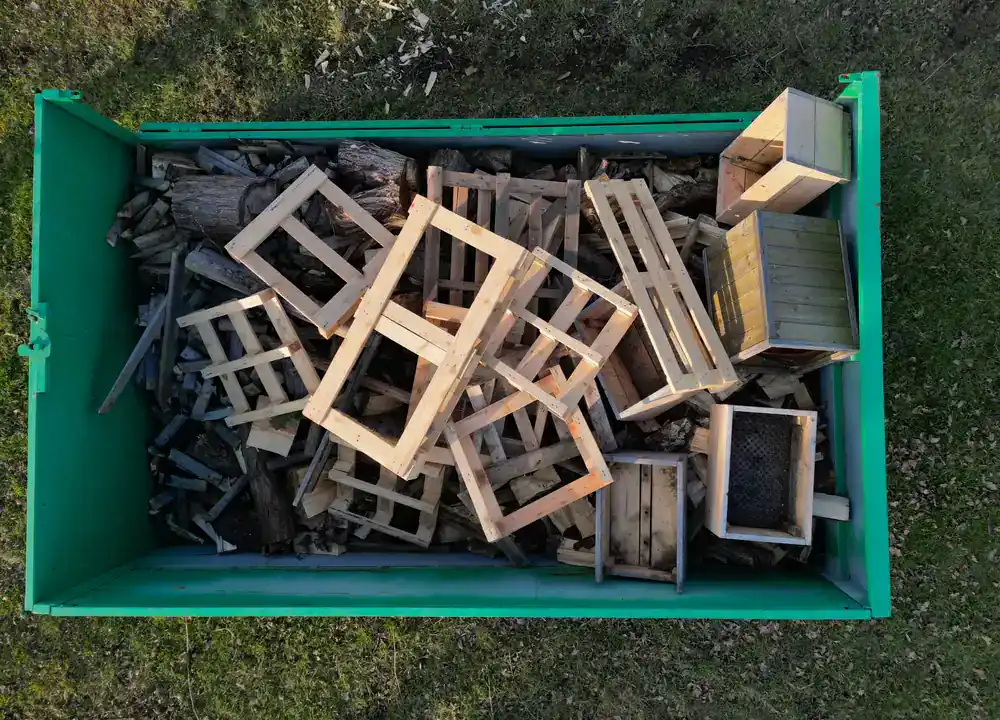
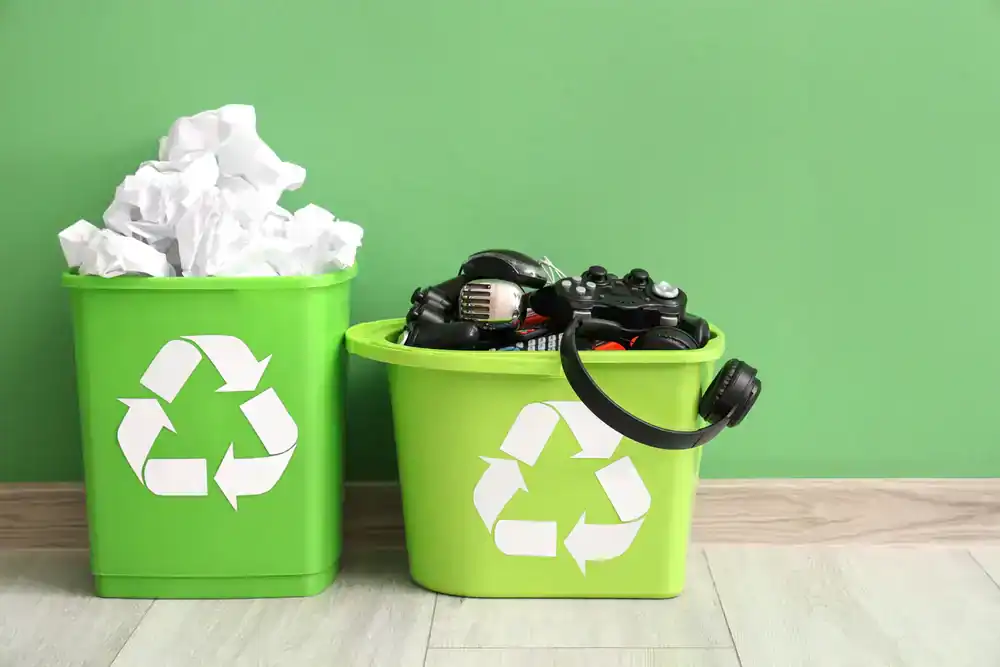
When recycling works right, your office paper becomes fresh cardboard boxes. Your delivery containers turn into new packaging. Your aluminum cans become new aluminum products.
But that only happens when materials stay clean, get sorted correctly, and reach the right processing facilities. Most recycling fails because of contamination, improper sorting, or unreliable pickup that leaves materials sitting until they’re no longer viable.
You need recycling services that understand Suffolk County’s dual-stream requirements, maintain relationships with local processing facilities, and show up consistently so your materials actually become resources instead of waste.
We’ve navigated every change in Long Island recycling since 2000. We’ve watched single-stream recycling come and go, adapted to dual-stream requirements, and maintained relationships with facilities like the Manorville Compost Facility through market upheavals.
Being family-owned means you deal with people who live in your community, not corporate customer service representatives reading scripts. When Long Island recycling hit crisis points and municipalities struggled with “no place to go” for materials, we adapted and found solutions.
We understand which Suffolk County facilities accept what materials, how contamination affects entire loads, and why timing matters for recyclable materials. This knowledge comes from decades of daily operations, not corporate training manuals.
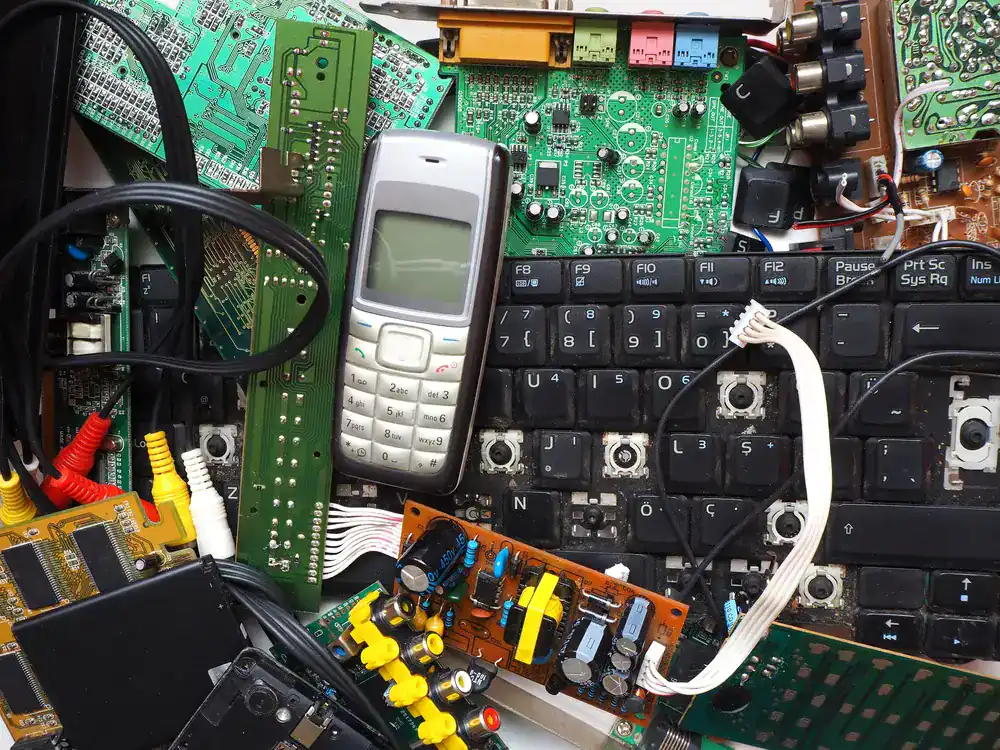
You start by describing your recycling volume and types of materials. We recommend container sizes based on your actual needs, not what’s easiest for us to deliver.
Container delivery happens on schedule, placed exactly where you need it. No “we’ll call you” scheduling games or surprise delivery times that disrupt your operations.
You fill containers following current Suffolk County guidelines – paper and cardboard separate from plastics and metals, clean materials only. We provide clear guidance on what goes where since contamination ruins entire loads.
Pickup happens when promised, with materials transported directly to appropriate recycling facilities. Your recyclables get processed into new products instead of sitting in storage yards or ending up in landfills due to contamination.

Ready to get started?
Manorville’s recycling benefits from proximity to major processing facilities. The Brookhaven Recycling Facility – Long Island’s largest – handles much of Suffolk County’s recyclable materials, meaning your cardboard and paper don’t travel hundreds of miles before becoming new products.
Paper and cardboard recycling works particularly well here because local demand stays strong. E-commerce growth creates steady need for new packaging materials, and your delivery boxes literally become tomorrow’s shipping containers.
Metal recycling has established markets throughout the region. Aluminum cans, steel containers, and scrap metal all get processed efficiently when properly separated from other materials.
The key advantage of working locally is understanding Suffolk County’s dual-stream system. Paper and cardboard get collected one week, plastics and metals the next. This separation prevents contamination that sends entire loads to landfills instead of recycling facilities.
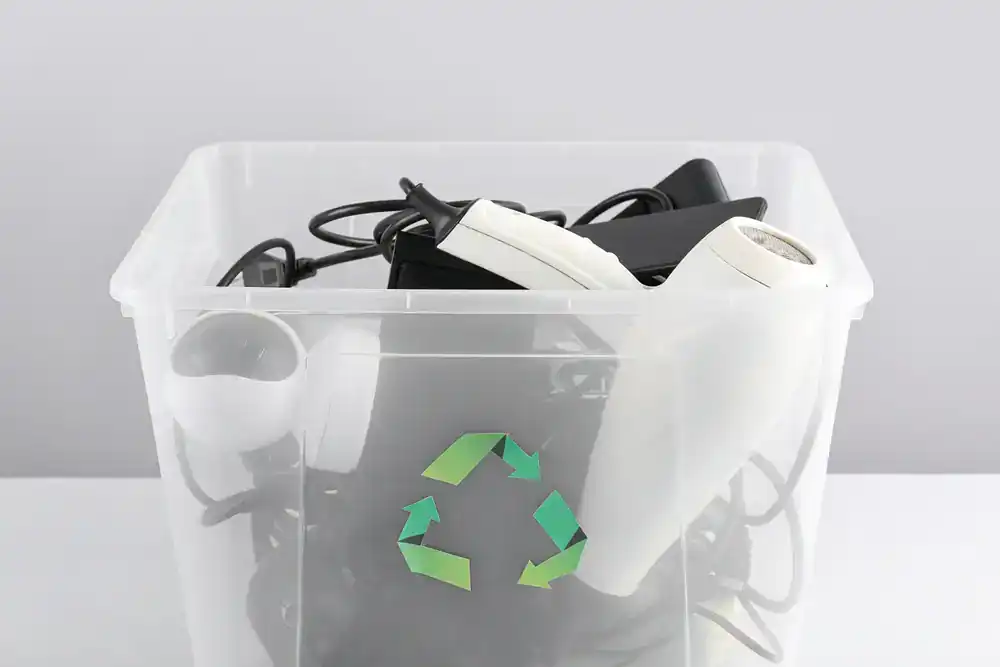
Suffolk County requires dual-stream separation, so materials must go in separate containers. Paper and cardboard together in one stream, plastics and metals in another stream – never mixed together.
This separation prevents contamination that ruins entire truckloads. When paper gets mixed with food residue from containers or when plastic bags jam sorting equipment, entire loads get rejected and sent to landfills.
Collection alternates weekly – paper and cardboard one week, plastics and metals the next. Following this schedule ensures your materials actually get recycled instead of rejected due to improper mixing.
Materials need to be empty and reasonably clean – think “good enough for your dishwasher” clean, not “sterile operating room” clean. A quick rinse removes food residue that attracts pests and creates odors during transport.
The bigger problem is contamination from wrong materials. Pizza boxes with heavy grease, plastic bags mixed with bottles, or hazardous materials can contaminate entire truckloads and send everything to landfills.
Focus on keeping prohibited materials out rather than achieving perfect cleanliness. Proper sorting prevents contamination problems that affect entire loads, while minor food residue gets handled during processing.
Container size depends on your weekly volume and pickup frequency. A small office generating mostly paper might need a 6-yard container monthly, while retail businesses with packaging waste could require 20-yard containers every two weeks.
Consider your peak periods too. If you receive large shipments certain times of month, you need capacity for cardboard surges, not just average daily volume. Running out of space creates overflow problems that violate local regulations.
Start with a reasonable estimate based on current volume, then adjust after seeing actual usage patterns. Slightly oversized containers prevent overflow issues that create pest problems and compliance headaches.
Construction materials need separate handling from regular recyclables. Clean wood, metal, and concrete can often be recycled, but they can’t mix with office paper or food packaging in the same container.
Drywall, treated lumber, and painted materials have different disposal requirements. Some go to specialized recycling facilities, others need proper disposal at licensed facilities that handle construction waste.
Mixing construction debris with regular recyclables creates processing problems and can result in entire loads being rejected. Keep construction materials separate and arrange appropriate disposal through companies that handle building waste.
Most businesses need pickup every 1-4 weeks depending on volume and container size. High-volume operations generating lots of packaging waste might need weekly service, while small offices could go monthly.
Consider seasonal variations in your volume. Retail businesses generate more packaging waste during busy seasons, while offices might have consistent year-round volume that’s easier to predict.
Regular pickup prevents overflow that creates pest problems, violates local regulations, or results in materials blowing around your property. It’s cheaper to schedule slightly more frequent service than to deal with overflow cleanup and potential fines.
Prohibited materials can cause entire truckloads to be rejected for recycling and sent to landfills instead. Common problems include plastic bags jamming sorting equipment, hazardous materials creating safety issues, or heavily contaminated items ruining clean materials.
When loads get rejected, you pay disposal fees instead of recycling rates, and the environmental benefit disappears. Processing facilities will remove small amounts of contamination, but significant problems result in landfill disposal for entire loads.
Prevention works better than cleanup. Clear guidelines about what goes where, employee training on proper sorting, and regular communication about changes in recycling rules prevent most contamination problems before they affect entire loads.
Other Services we provide in Manorville